Confirm a straight line to the work
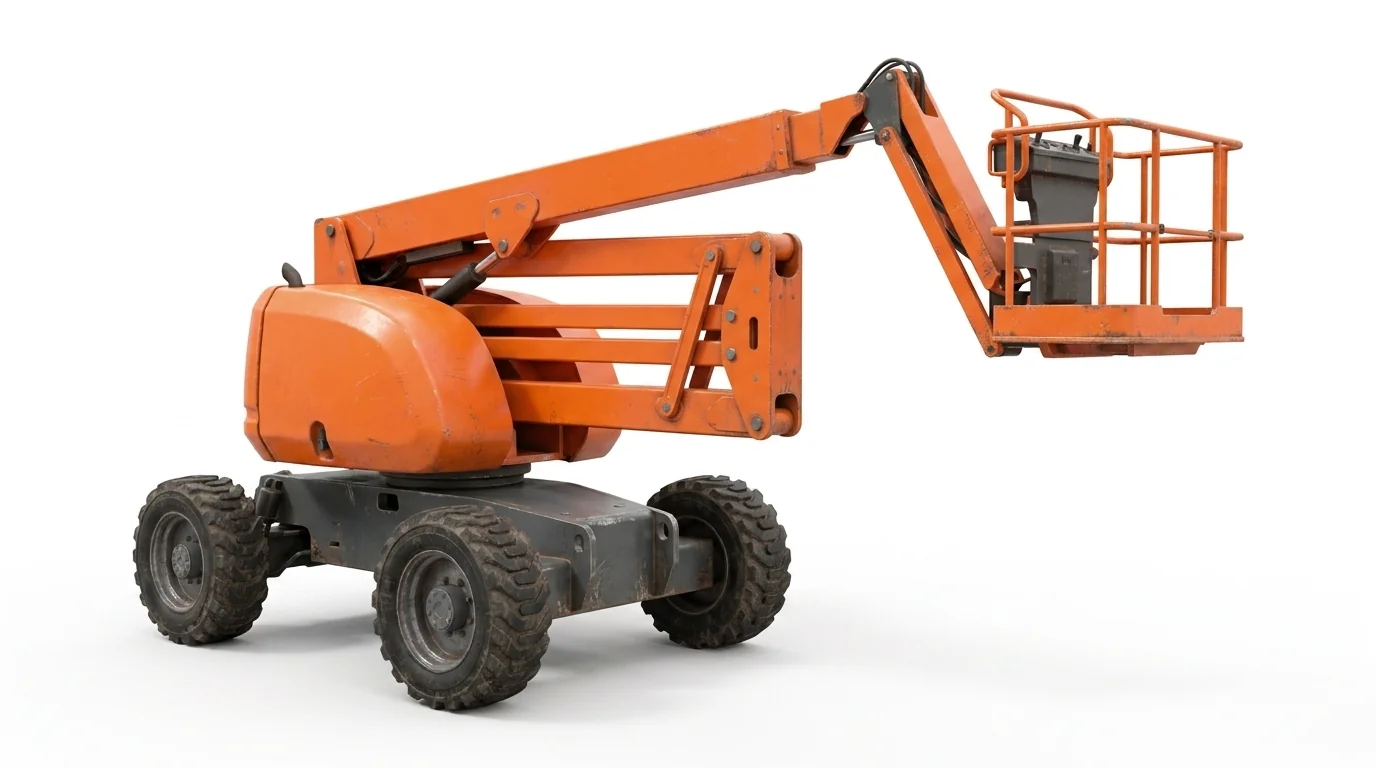
Telescopic booms excel when the lift can point directly at the task from a safe set-down location. Measure the horizontal distance from the pad to the work, then the vertical height. Check for trees, overhangs, and utility lines that would force an up-and-over path; if present, see /articulating-boom-lift-rental/.
Atlanta surface and weather considerations
Frequent rain and the region’s clay base can leave exterior lots soft or rutted. That affects pad selection, tire configuration, and allowable approach angles. On paved logistics aprons and industrial yards, drainage patterns and joint spacing can limit where the chassis sits. For partially enclosed structures, exhaust and noise sensitivity may favor low-emission configurations.
Measurements that drive selection
- Horizontal reach to the work from a realistic set-down area.
- Required platform height and allowable boom angle without overhead conflicts.
- Machine width and length versus gates and site barricades.
- Ground bearing needs on clay or aggregate; verify slab rating on paved pads.
- Wind exposure around open façades and corners per the unit’s guidance.
When another category fits better
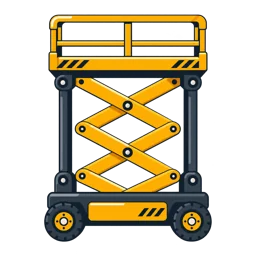
If you face a canopy, mezzanine, or dense overheads, an articulating boom provides the mid-boom bend needed; review /articulating-boom-lift-rental/. For straight-up interior ceiling work on solid slabs, an /electric-scissor-lift-rental/ may be more practical. Explore broader options at /boom-lift-rental/.
Actual site conditions, the selected unit’s instructions, and site procedures govern positioning, outreach, and use near edges or slopes.