Start with the load path
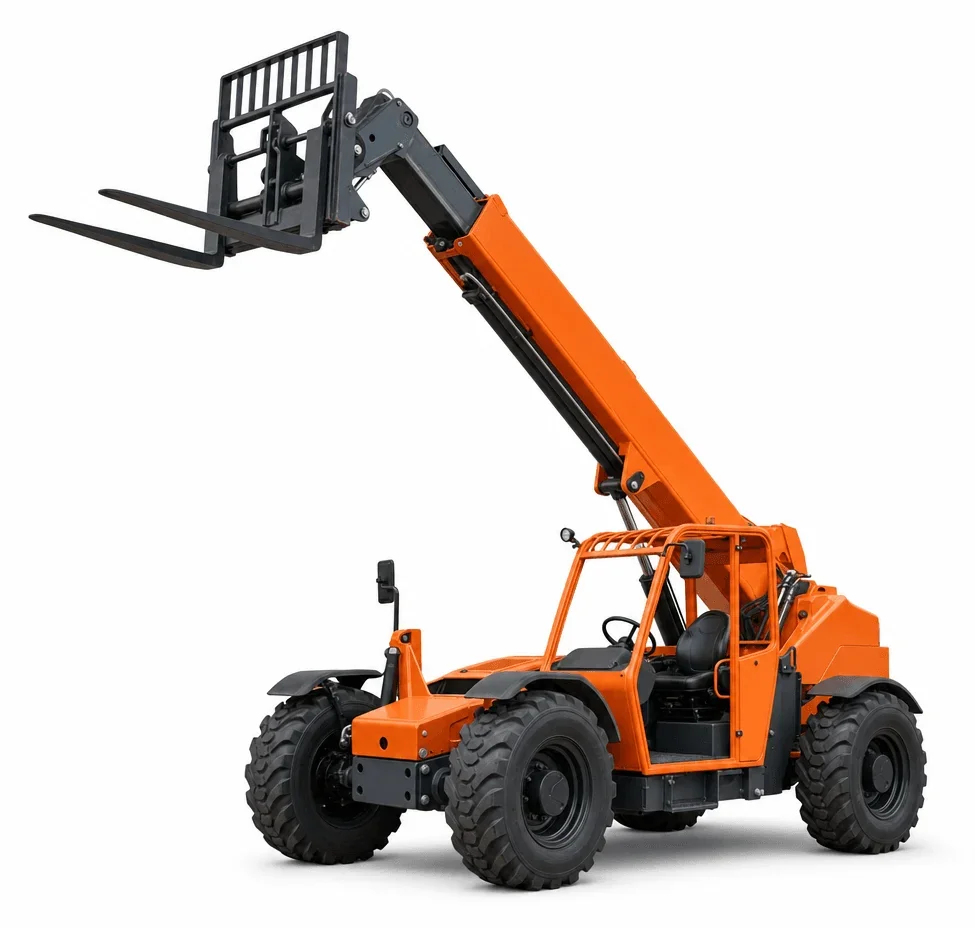
Identify where the load starts, how far it must travel, and where it lands. Measure fork height at placement, horizontal reach from the machine’s front axle to the landing zone, and clearance under any doorway or canopy along the route. In industrial sites, confirm whether the landing is onto decks, mezzanines, or elevated platforms.
Surfaces around Atlanta
Clay soils can soften after rain, changing tire contact and stability needs. On paved distribution aprons, joint lines and dock edges restrict wheel placement. For interior moves into local distribution buildings, emissions and noise sensitivity may drive engine and tire choices, and slab ratings limit axle loads.
Measurements that narrow the spec
- Maximum load weight at the required reach and height.
- Turning space for the chosen wheel steer mode in tight yards.
- Overall width, collapsed height, and boom length versus site gates and doors.
- Attachment interface and carriage width for the load type and pallet orientation.
- Ground bearing at staging zones on clay or aggregate; slab capacity indoors.
When other equipment is better
If the task is strictly vertical stocking inside a warehouse with smooth aisles, see /forklift-rental/. When the job is people access rather than material placement, consider /articulating-boom-lift-rental/ or /telescopic-boom-lift-rental/ via /aerial-lift-rental/.
Actual conditions, the selected unit’s instructions, and site procedures govern load handling near edges, slopes, and elevated placements.