Geometry drives the category
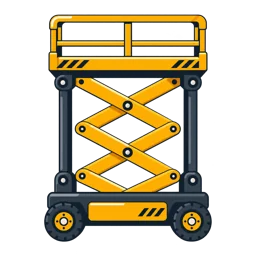
- Scissor lifts travel straight up with compact footprints for ceiling, lighting, and racking tasks. See /electric-scissor-lift-rental/ for indoor units and /rough-terrain-scissor-lift-rental/ for exterior surfaces.
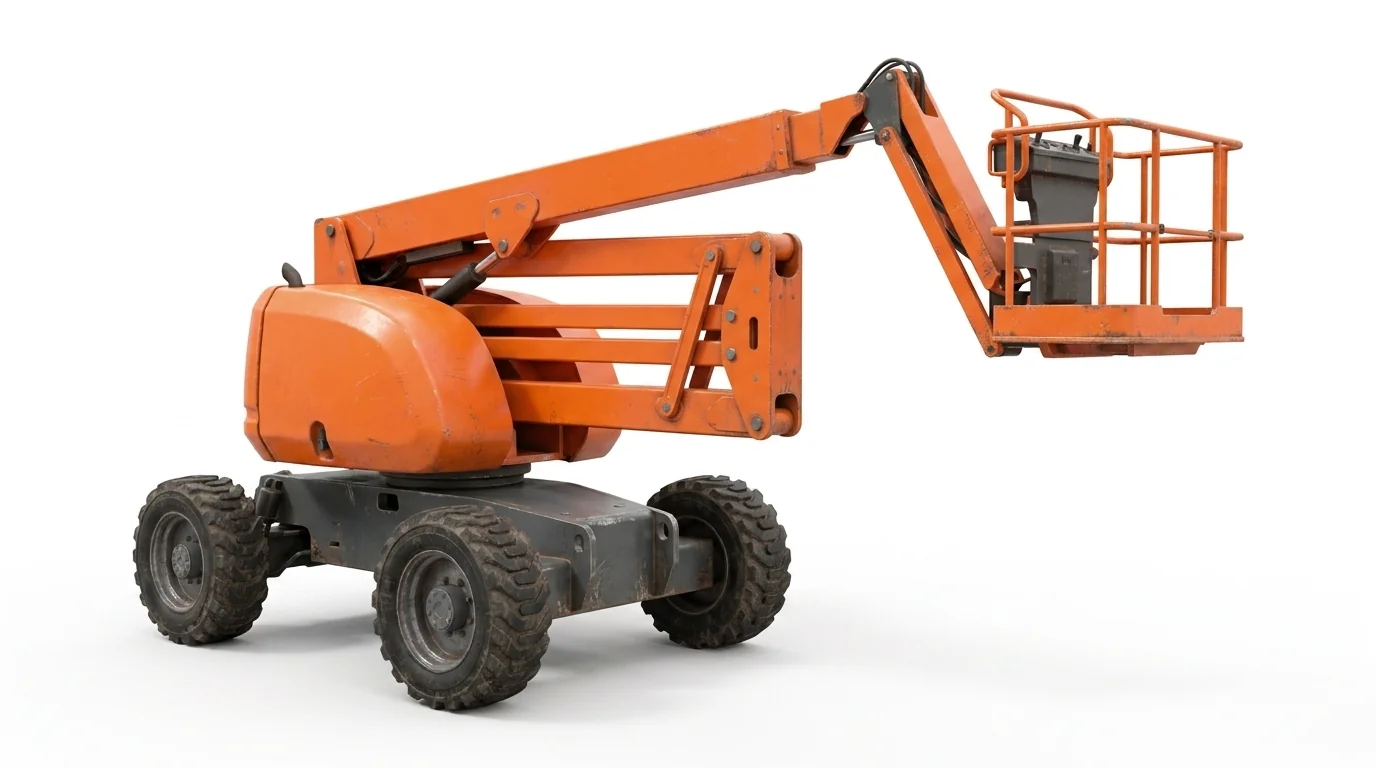
- Articulating boom lifts bend around ducts, conveyors, or façade setbacks. They excel where the platform must reach over and back down into the work.
- Telescopic boom lifts extend in a straight line to distant targets, useful along long elevations or open yards.
Local factors that change the spec
- Humid weather and frequent rain affect traction on sealed concrete and unpaved approaches.
- High-density interiors with mechanical galleries favor narrow machines and non-marking tires.
- Active logistics sites require precise positioning and careful transport paths between staging and work areas.
Measurements and constraints
- Required working height and any horizontal reach around obstacles.
- Aisle, door, and gate widths along the travel path from delivery to work zone.
- Floor loading limits for mezzanines or elevated decks in local distribution buildings.
- Power source and ventilation needs for partially enclosed areas.
When to change categories
If the platform can sit directly below the task with clear overhead, a scissor is efficient. If the work sits beyond a conveyor, pipe rack, or façade plane, an articulating or telescopic boom reduces repositioning. Explore /boom-lift-rental/ for boom types and use /aerial-lift-rental/ as the comparison hub.
Actual site conditions, the selected unit’s instructions, and job procedures govern elevated work in every setting.