Start with the path, not the height
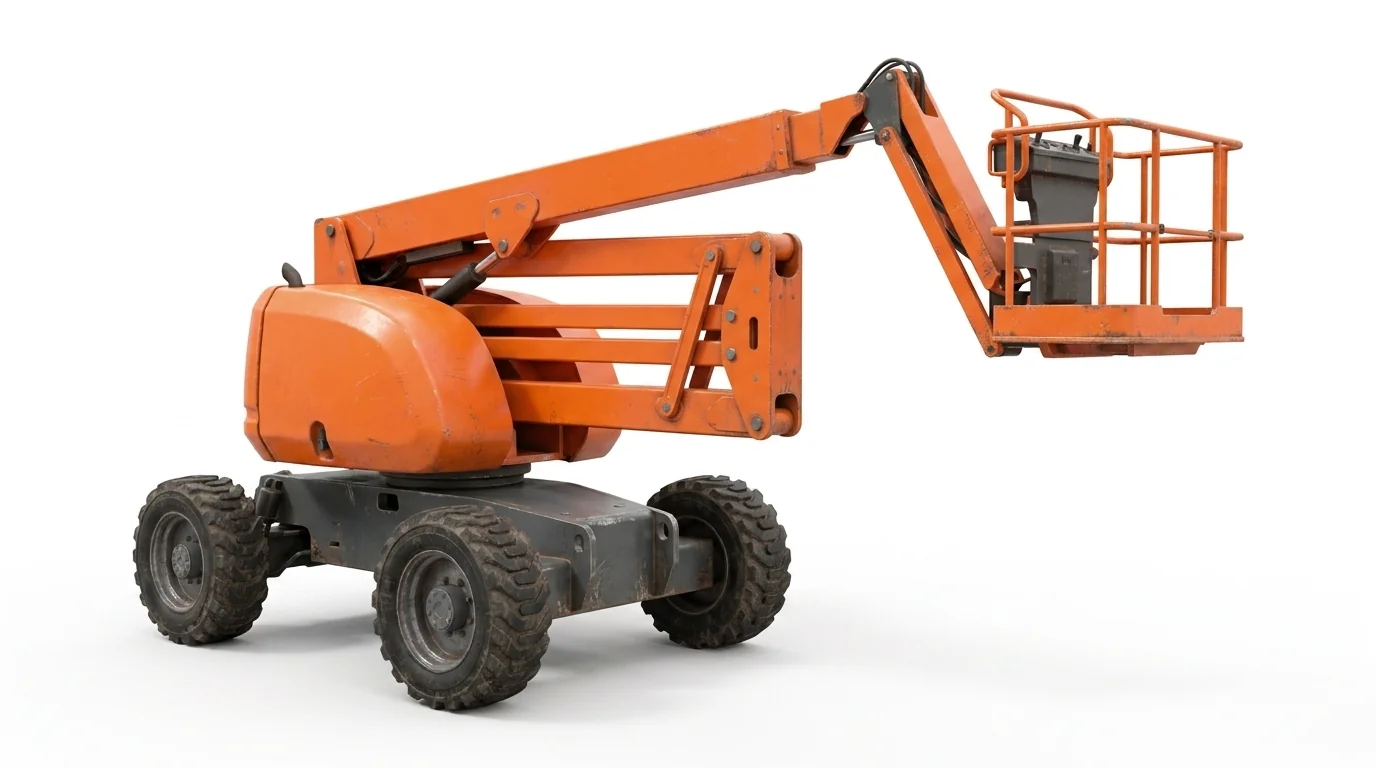
Articulating booms solve geometry problems: pipes, conveyors, canopies, and roof overhangs. The key question is whether the machine can sit below the task and swing the knuckle to clear obstacles. In dense industrial sites and data facilities around Atlanta, the ability to bend the boom mid-span often matters more than maximum platform height.
- Map entry: door width, threshold height, and turning space in corridors or between racks.
- Identify overhead conflicts: duct chases, cable trays, lighting, and low beams.
- Confirm set-down area: slab rating inside; compacted aggregate or firm soil outside.
How local conditions change the choice
Atlanta’s rainfall and clay soils can leave jobsite surfaces slick or pumpable. On unpaved lots, rough-terrain configurations and flotation become a stability factor. For conditioned interiors with sensitive electronics, electric or hybrid power reduces exhaust and heat while maintaining precise positioning.
In logistics buildings, the approach often involves moving from a paved apron to mixed base material. Expect transitions, slopes, and puddling that affect traction and allowable work position. Indoors, condensation risk in unconditioned spaces may steer you away from machines that add heat or moisture around ceiling work.
Measurements that narrow the spec
- Horizontal reach required to get “up and over” from a safe set-down point.
- Jib articulation range to fine-tune alignment under soffits or between trusses.
- Machine width and stowed height versus access doors and mezzanine clearances.
- Ground bearing needs on clay or aggregate; slab capacity for interior bays.
- Power type: electric for clean, quiet interior work; rough-terrain for exterior grades.
When a different lift is simpler
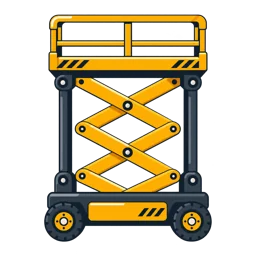
If the task is straight up with no overhead obstacles, a unit from /telescopic-boom-lift-rental/ or an /electric-scissor-lift-rental/ may be more efficient. For long exterior reaches to façades beyond setbacks, compare options at /boom-lift-rental/.
Actual site conditions, the selected unit’s instructions, and job procedures govern positioning near edges, grades, and live work areas.