Start with the work geometry
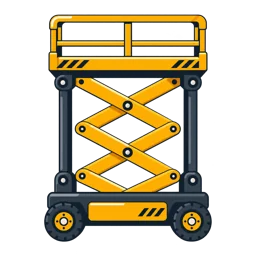
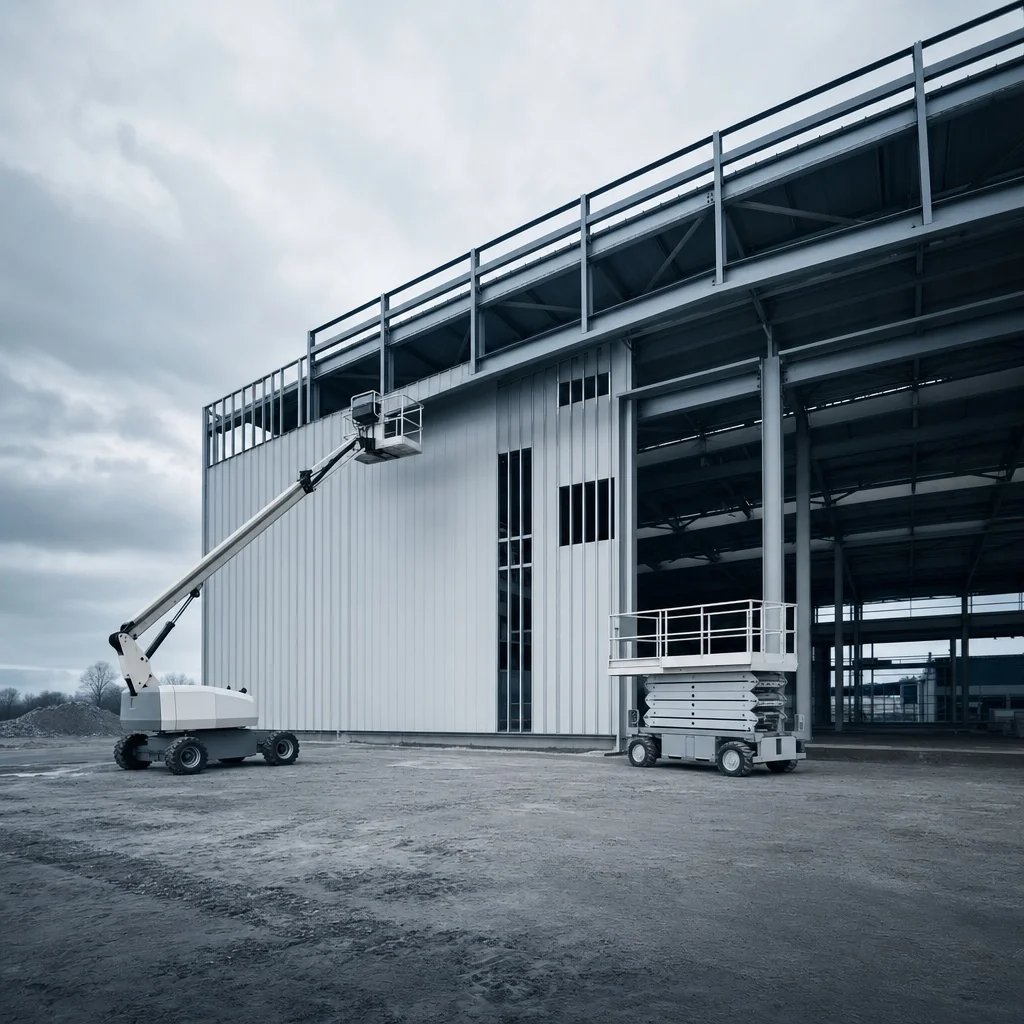
Two questions frame the selection: can the platform sit directly beneath the task, and how much horizontal reach is required around obstructions? Scissor lifts raise straight up with a compact footprint. For work directly overhead—duct runs, cable trays, lighting, and ceiling grid—an electric slab unit often fits between racking or inside corridors. When reach around obstacles is necessary, compare options on the /aerial-lift-rental/ page to decide whether a boom format makes more sense.
How Atlanta conditions shape the choice
- Data-heavy interiors in Atlanta often run dense mechanical galleries and low-clearance mezzanines. That favors narrow electric scissors with precise steering and non-marking tires.
- Outdoor projects regularly involve wet ground and sticky red clay. Rough-terrain scissors with higher ground clearance, aggressive tread, and stabilizing systems are the usual fit when surfaces are unpaved or uneven.
- Humid days in unconditioned shells can cause condensation on smooth floors. Tire compound and braking characteristics matter to maintain traction and protect finished surfaces.
Measurements that narrow the category
- Platform height vs. task height: add working room for tools and fixtures.
- Floor loading and slab strength: check weight limits for mezzanines and elevated decks common in local distribution buildings.
- Aisle, doorway, and elevator dimensions: many Atlanta facilities require machines that clear standard double doors or service lifts.
- Power source: electric units reduce emissions indoors; diesel and dual-fuel suit ventilated structures and exterior work.
When scissor vs. boom changes the plan
If the task is above but offset by conveyors, tanks, or cable ladder, a boom lift may solve the geometry with fewer reposition moves. Compare options at /boom-lift-rental/ and keep scissor lifts in play for straight-up work with frequent up‑down cycles.
Related Atlanta-focused categories
- Interior access: /electric-scissor-lift-rental/
- Unfinished or uneven sites: /rough-terrain-scissor-lift-rental/
- Mixed-height jobs with obstacles: /aerial-lift-rental/ and /boom-lift-rental/
Actual site conditions, the selected unit’s instructions, and job procedures govern what’s acceptable on the day.