Articulating vs. telescopic
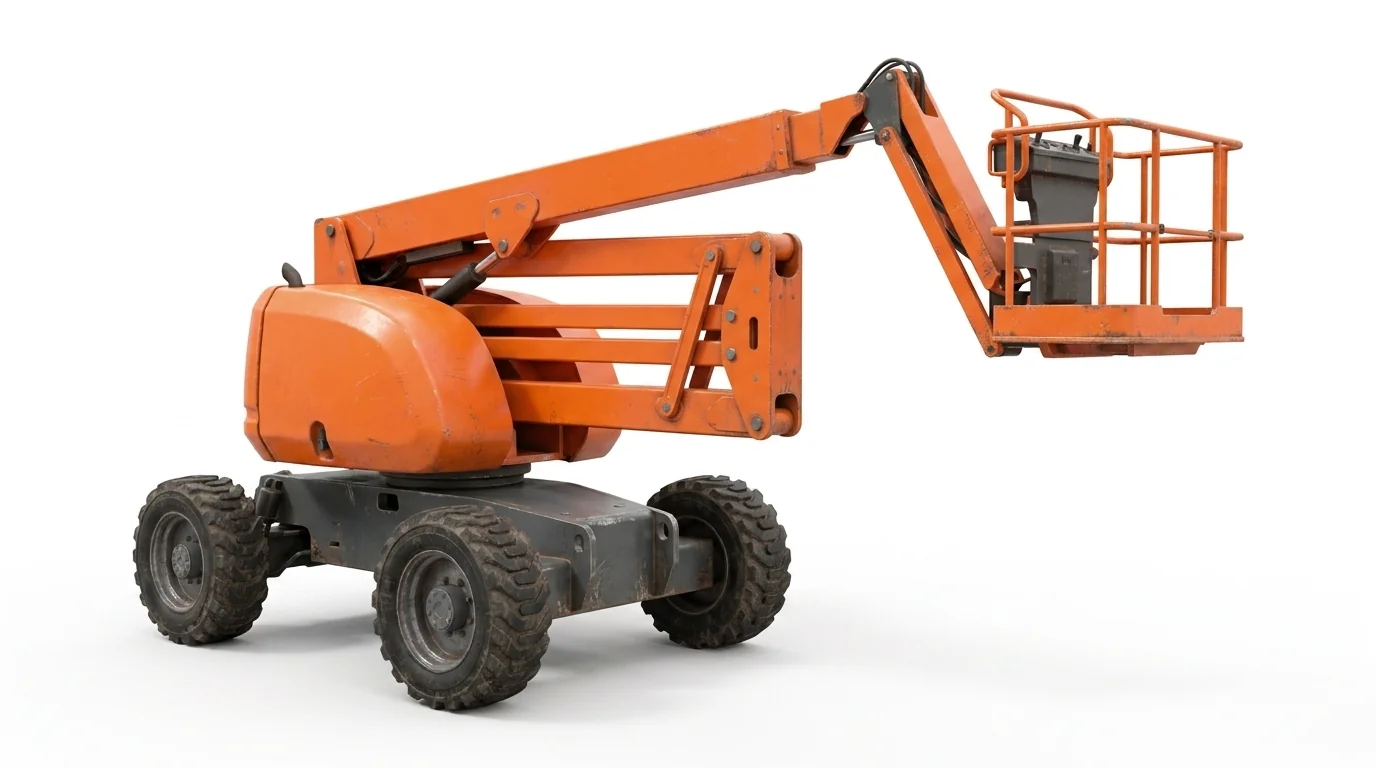
- Articulating booms: multiple joints swing up and over obstacles, placing the platform into tight spots within courtyards, around mezzanine edges, or above process equipment.
- Telescopic booms: straight sections extend outward for long lines along elevations, yards, and open sites where the machine can sit back from the target.
Local conditions that affect boom choice
- Wet seasons and red clay create soft approaches; rough‑terrain packages and appropriate tires help maintain stability.
- Indoor or semi-conditioned areas favor low-emission power and non-marking tires, especially near sensitive floors and equipment galleries.
- Active logistics zones demand careful planning of transport paths, swing radius, and outrigger or axle stance where applicable.
Measurements that decide fit
- Required working height and horizontal reach to clear obstacles.
- Tail swing and platform positioning room relative to walls, racking, or equipment lines.
- Gate widths, door heights, and slab capacities along the route to the work zone.
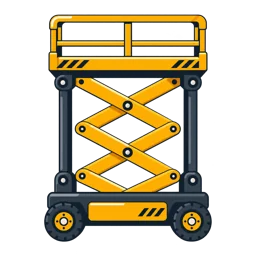
When a scissor lift is faster
If the task sits straight overhead with frequent up‑down cycles—lighting punch, sprinkler drops, ceiling grid—a scissor lift may move quicker and fit tighter aisles. Compare /electric-scissor-lift-rental/ for interiors or /rough-terrain-scissor-lift-rental/ for exterior grade.
Related category overview
For a broader comparison across scissor and boom types, see /aerial-lift-rental/.
Actual site conditions, the selected unit’s instructions, and job procedures govern boom setup and elevated work.